Blog

  • Electric Heavy Equipment: Benefits and Challenges
    Electric Heavy Equipment: Benefits and Challenges

    The construction and industrial sector is rapidly evolving, and electric heavy equipment is at the forefront of this transformation. From electric excavators to battery-powered forklifts, companies worldwide are exploring cleaner, more efficient alternatives to traditional diesel-powered machines. But while electric machinery promises significant advantages, it also comes with unique challenges that every business must consider before adoption.

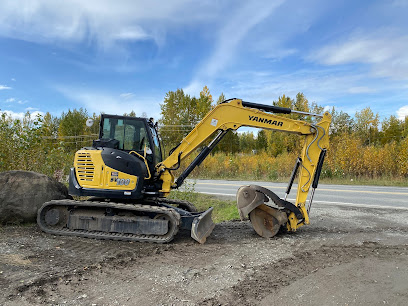
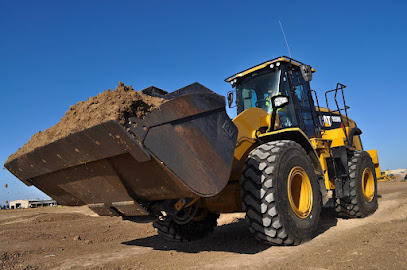
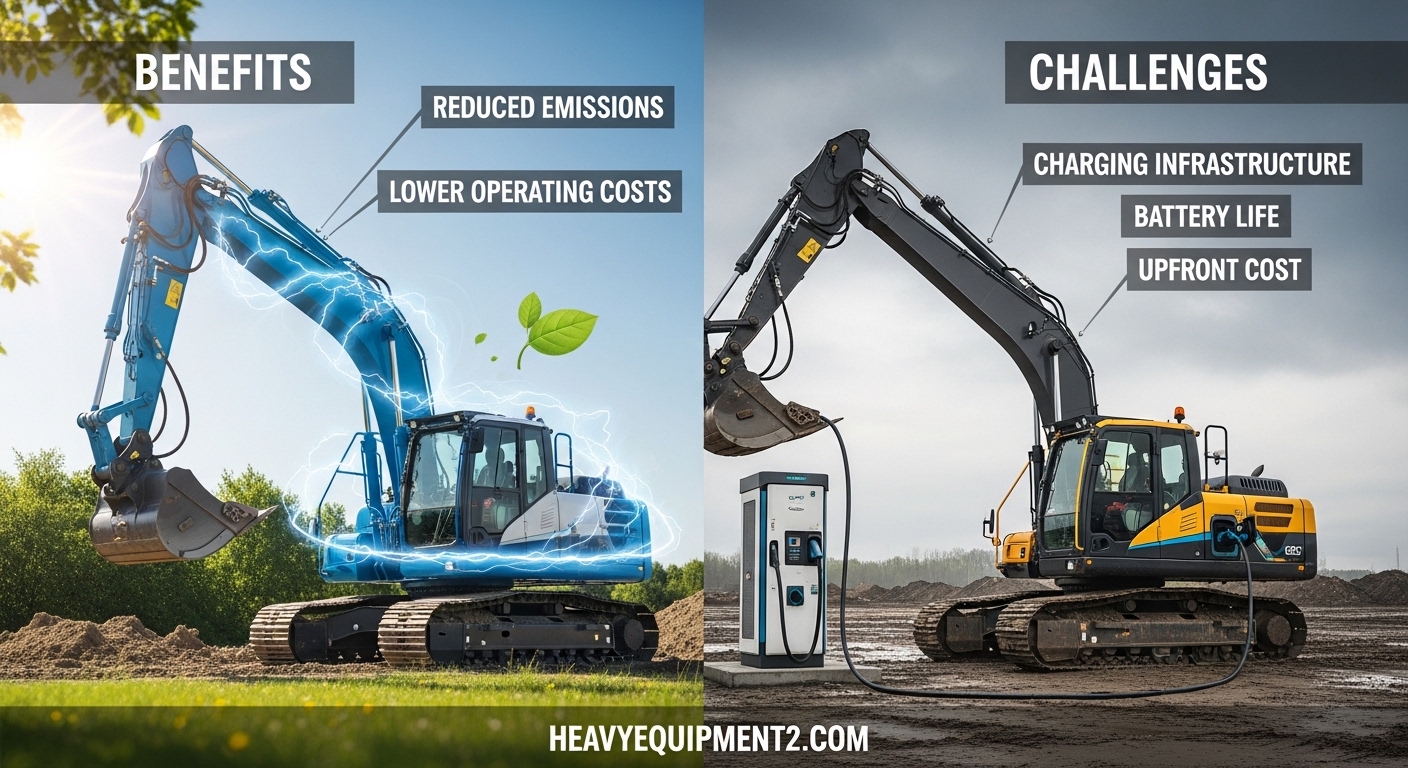
    Electric heavy machinery operating on a construction site, showcasing modern sustainable technology
    Modern electric heavy machinery reduces emissions and enhances efficiency on construction sites.

    Benefits of Electric Heavy Equipment

    1. Lower Operating Costs

    Electric machines have fewer moving parts than diesel engines, resulting in reduced maintenance costs. There is no need for oil changes, fuel filters, or complex exhaust systems, which can save thousands annually for construction companies.

    2. Environmentally Friendly

    Electric equipment produces zero tailpipe emissions, reducing air pollution and carbon footprint. For urban construction projects or indoor operations like warehouses, this is a huge advantage, aligning with global sustainability goals.

    3. Quieter Operation

    Noise reduction is a major benefit of electric heavy machinery. Electric motors are significantly quieter than diesel engines, improving worksite safety and comfort. This is especially valuable in residential areas or enclosed work environments.

    4. Energy Efficiency

    Electric motors convert more energy into work compared to internal combustion engines. This means better energy efficiency and operational performance, potentially reducing energy costs per project.

    5. Government Incentives

    Many governments offer tax credits and grants for companies adopting electric construction equipment. This helps offset the initial investment and encourages sustainable practices.


    Challenges of Electric Heavy Equipment

    1. High Initial Cost

    The upfront price of electric heavy machinery is generally higher than traditional diesel-powered machines. Batteries, specialized components, and limited production scale contribute to this higher cost.

    2. Battery Limitations

    Battery life and charging times are critical concerns. Heavy equipment requires high-capacity batteries, and long charging periods can impact productivity if not properly managed.

    3. Limited Availability and Models

    While the market is growing, electric heavy equipment still has fewer options compared to diesel machines. Companies may have limited choices for specific applications or machine sizes.

    4. Infrastructure Requirements

    Worksites must have adequate charging stations and electrical infrastructure to support these machines. This can involve additional costs and planning.

    5. Performance in Extreme Conditions

    Battery performance can be affected by extreme temperatures, reducing operational efficiency in very cold or hot environments. Companies must plan for seasonal variations.


    Tips for Adopting Electric Heavy Equipment

    1. Start Small – Test electric machines on smaller projects before committing to a full fleet.

    2. Plan Charging Infrastructure – Ensure sufficient charging stations to avoid downtime.

    3. Train Operators – Educate operators about best practices for electric machinery to maximize efficiency.

    4. Monitor Battery Health – Implement monitoring systems to track battery life and usage patterns.

    5. Stay Updated – Electric machinery technology evolves fast; keep up with the latest models and innovations.


    Electric heavy equipment represents the future of construction and industrial machinery. With lower operating costs, environmental benefits, and quieter operation, it offers compelling advantages. However, businesses must carefully evaluate the initial investment, battery limitations, and infrastructure needs before transitioning. By understanding both the benefits and challenges, companies can make informed decisions, reduce costs, and contribute to a more sustainable construction industry.

  • How Heavy Equipment Is Used in Road Construction
    How Heavy Equipment Is Used in Road Construction

    Building roads is a complex process that requires careful planning, skilled labor, and the right machinery. Heavy equipment plays a critical role in every stage of road construction, ensuring efficiency, safety, and quality. In this article, we will explore how different types of heavy equipment are used, why they are essential, and how modern technology improves the process.

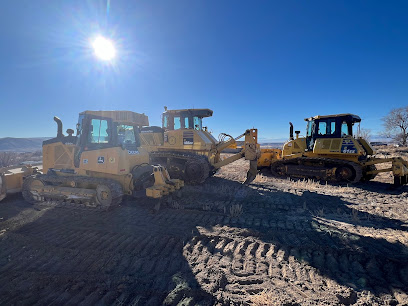
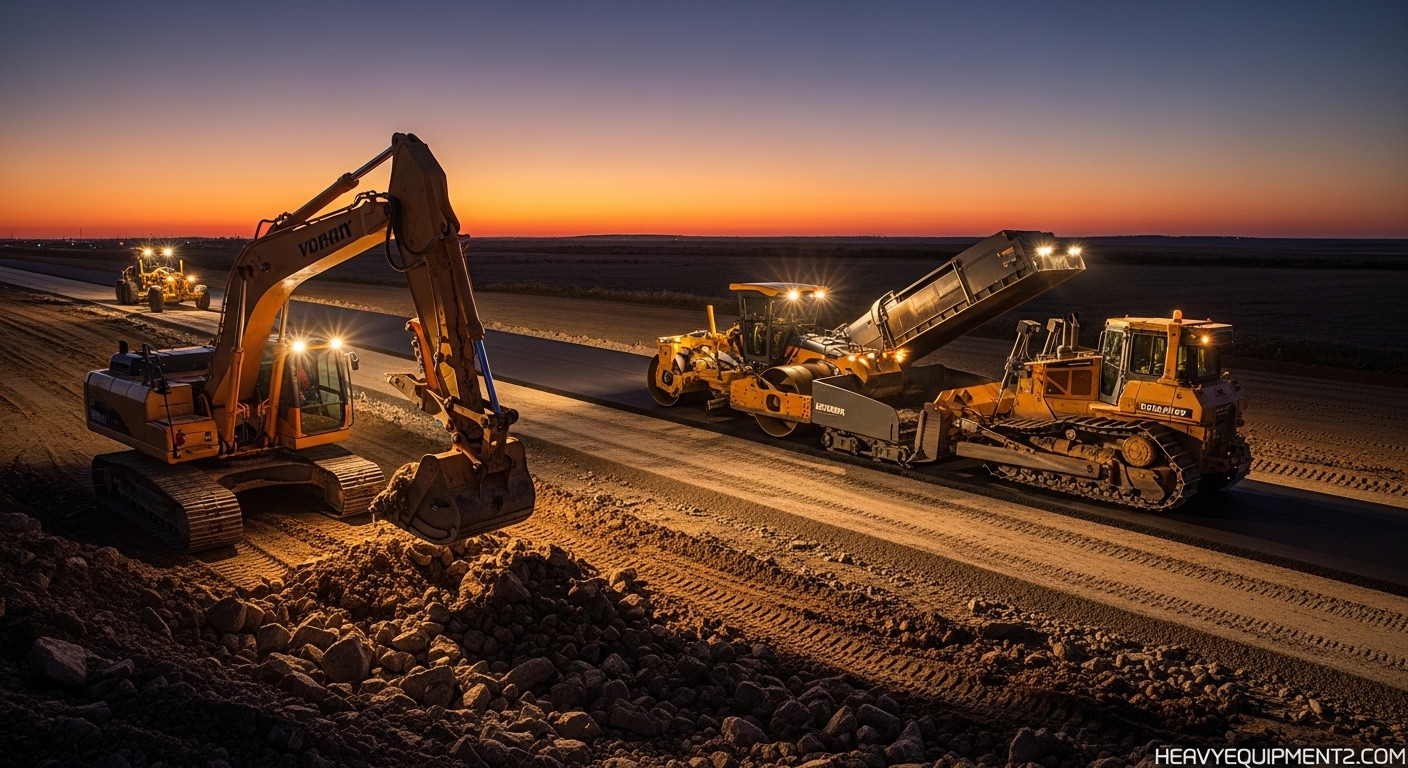
    Heavy construction equipment grading and paving a highway during road construction project
    Powerful heavy machinery at work: excavators, bulldozers, and pavers building a modern roadway efficiently.

    1. Site Preparation

    Before any paving can begin, the construction site must be prepared. This includes clearing trees, rocks, and debris, leveling the land, and creating a stable foundation. The following machines are commonly used:

    • Bulldozers: Push large amounts of soil or debris and help level the ground.

    • Excavators: Dig trenches, remove rocks, and handle soil efficiently.

    • Skid Steer Loaders: Perform smaller-scale clearing and transport materials around the site.

    Using these machines ensures the site is ready for grading and paving, reducing manual labor and improving safety.


    2. Earthmoving and Grading

    Earthmoving is the process of reshaping the land to achieve the proper road alignment and slope. Accurate grading is critical for water drainage and long-term road durability.

    • Motor Graders: Smooth and level the soil or gravel, creating the ideal base for asphalt or concrete.

    • Dump Trucks: Transport large amounts of soil, gravel, or sand to different areas of the site.

    • Compactors/Rollers: Compress soil and gravel to create a firm, stable foundation.

    Proper grading and compaction prevent future issues such as potholes, uneven surfaces, or erosion.


    3. Paving

    Once the base is ready, the paving process begins. This step involves laying asphalt or concrete to form the road surface.

    • Asphalt Pavers: Spread and shape asphalt evenly across the road surface.

    • Concrete Pavers: Used in areas where concrete roads are preferred for durability.

    • Rollers: Compact the asphalt or concrete to achieve a smooth, dense surface.

    Modern paving machines are equipped with sensors and GPS technology to ensure precise alignment and thickness, reducing material waste.


    4. Finishing Work

    After paving, finishing touches are applied to ensure safety and functionality.

    • Line Striping Machines: Apply road markings, including lanes, crosswalks, and directional arrows.

    • Sweepers: Clean dust and debris from the newly constructed road.

    • Hydraulic Lifts and Cranes: Assist in installing guardrails, signs, and other roadside equipment.

    These finishing steps enhance safety for drivers and pedestrians while improving the road’s aesthetic appearance.


    5. Technology in Road Construction

    The use of technology has revolutionized heavy equipment operations:

    • GPS & Telematics: Help operators work efficiently with real-time positioning and machine diagnostics.

    • Automation: Some graders, pavers, and rollers now operate semi-autonomously, increasing accuracy and productivity.

    • Eco-Friendly Equipment: Electric and hybrid machines reduce emissions on large projects.

    Investing in modern machinery and technology not only improves efficiency but also ensures compliance with environmental regulations.


    Heavy equipment is indispensable in road construction. From site preparation and grading to paving and finishing, the right machinery ensures projects are completed safely, efficiently, and on schedule. By combining skilled operators with advanced technology, construction companies can build durable roads that meet today’s infrastructure standards.

  • Heavy Equipment Preventive Maintenance Checklist
    Heavy Equipment Preventive Maintenance Checklist

    A Complete Guide to Extending Machinery Life, Reducing Downtime, and Protecting Your Investment

    Heavy equipment is one of the biggest investments in construction, mining, agriculture, and industrial operations. Whether you manage excavators, bulldozers, cranes, or loaders, preventive maintenance is not optional — it is essential.

    Unexpected breakdowns can lead to costly downtime, project delays, expensive emergency repairs, and even safety risks. A structured preventive maintenance checklist helps you avoid those problems while increasing equipment lifespan and protecting your bottom line.

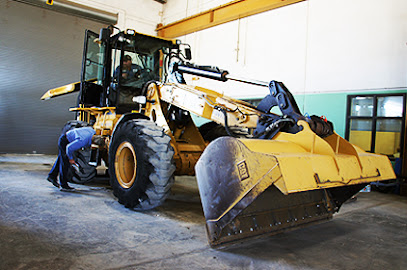
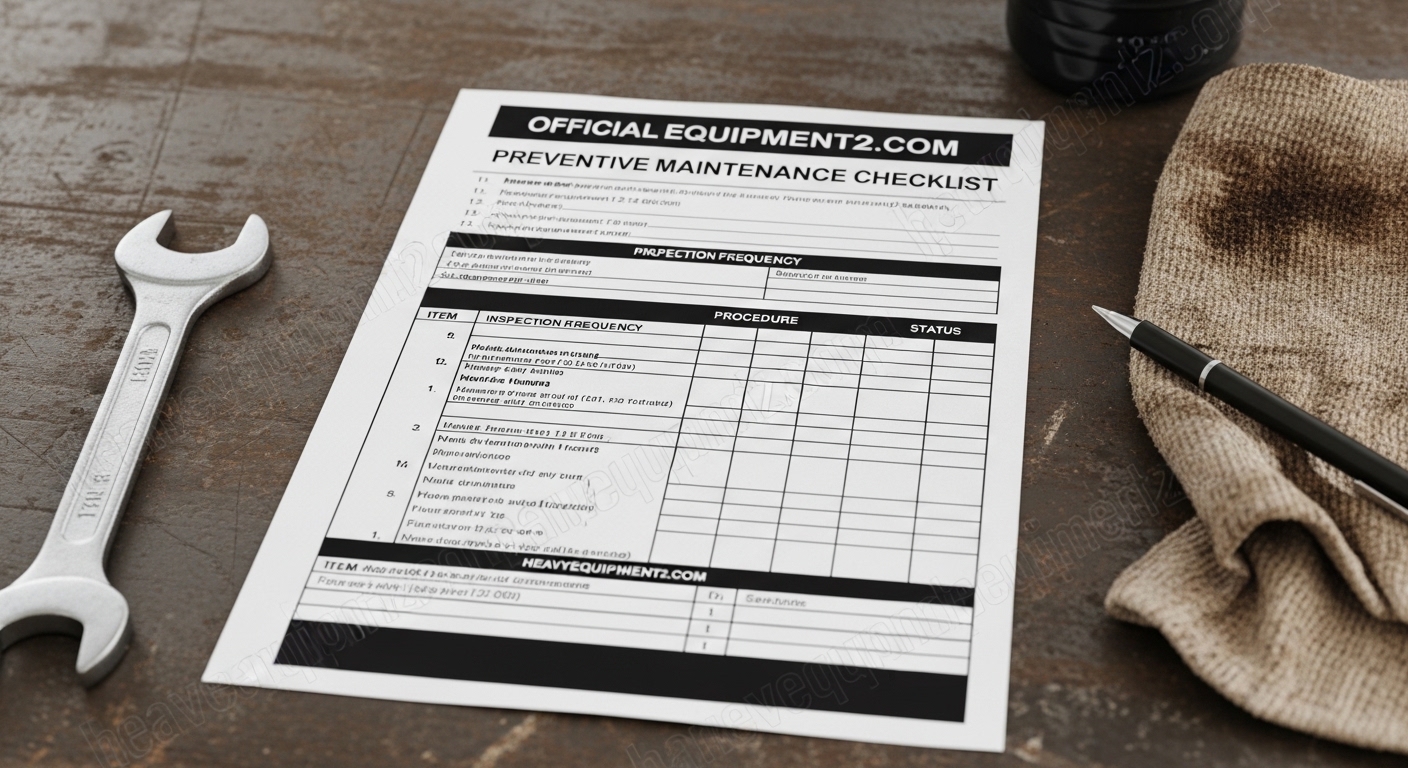
    Heavy equipment preventive maintenance checklist being inspected by industrial technician at construction site
    Routine preventive maintenance inspection helps extend heavy equipment lifespan and reduce costly industrial repairs.

    In this guide, you’ll find a professional, practical, and easy-to-follow preventive maintenance checklist designed for heavy machinery owners, fleet managers, and equipment operators.


    Why Preventive Maintenance Matters

    Preventive maintenance focuses on regular inspections and scheduled servicing before problems occur. Instead of reacting to failures, you proactively reduce wear and tear.

    Key Benefits:

    • Reduced unplanned downtime

    • Lower repair costs

    • Extended equipment lifespan

    • Improved fuel efficiency

    • Enhanced operator safety

    • Higher resale value

    A well-maintained machine not only performs better but also retains more value in the used equipment market.


    Daily Preventive Maintenance Checklist

    Daily inspections should be performed before operating the machine. These checks take only minutes but can prevent major failures.

    1. Visual Inspection

    • Look for leaks under the machine (oil, coolant, hydraulic fluid).

    • Inspect hoses and belts for cracks or wear.

    • Check for loose bolts or damaged components.

    • Inspect tires or tracks for excessive wear or damage.

    2. Fluid Levels

    • Engine oil

    • Hydraulic fluid

    • Coolant

    • Transmission fluid

    • Brake fluid (if applicable)

    Low fluid levels can cause overheating, pressure loss, or engine damage.

    3. Grease Points

    • Lubricate pivot points, joints, and bushings.

    • Follow manufacturer lubrication intervals.

    Proper lubrication reduces friction and prevents premature component wear.

    4. Safety Equipment Check

    • Lights and signals

    • Horn

    • Backup alarms

    • Mirrors and cameras

    • Fire extinguisher

    Safety systems must always be fully operational before starting work.


    Weekly Maintenance Checklist

    Weekly checks go slightly deeper and ensure systems are operating efficiently.

    1. Battery Inspection

    • Clean terminals

    • Check for corrosion

    • Ensure secure connections

    2. Air Filters

    • Inspect engine air filter

    • Clean or replace if dirty

    Dirty air filters reduce engine efficiency and increase fuel consumption.

    3. Hydraulic System

    • Inspect cylinders for leaks

    • Check hose fittings

    • Monitor unusual noises

    Hydraulic issues can escalate quickly if ignored.

    4. Tire Pressure / Track Tension

    • Maintain proper inflation

    • Adjust track tension if required

    Incorrect pressure affects stability and fuel efficiency.


    Monthly Maintenance Checklist

    Monthly maintenance focuses on deeper inspections and system-level performance.

    1. Change Engine Oil (If Required)

    Follow manufacturer hour-based intervals.

    2. Replace Filters

    • Oil filter

    • Fuel filter

    • Hydraulic filter (as scheduled)

    3. Cooling System Inspection

    • Inspect radiator for debris

    • Check coolant concentration

    • Examine hoses for wear

    Overheating is one of the most common causes of engine failure.

    4. Brake System Inspection

    • Check brake pads and discs

    • Test brake responsiveness


    Seasonal or Hour-Based Maintenance

    Heavy equipment maintenance is typically scheduled by operating hours (250h, 500h, 1000h intervals).

    Common Tasks Include:

    • Full fluid replacement

    • Transmission service

    • Differential inspection

    • Hydraulic pressure testing

    • Software diagnostics (for modern machines)

    Always consult the equipment manufacturer’s service manual for exact intervals.


    Common Preventive Maintenance Mistakes to Avoid

    Even experienced operators sometimes overlook critical steps.

    1. Ignoring Small Leaks

    Small leaks often become major repairs if left untreated.

    2. Skipping Lubrication

    Failure to grease pivot points leads to costly joint replacements.

    3. Using Incorrect Fluids

    Always use manufacturer-approved oil and hydraulic fluids.

    4. Delaying Scheduled Services

    Postponing maintenance increases long-term repair costs.


    Creating a Maintenance Log System

    Professional fleet operators rely on maintenance tracking systems.

    What to Record:

    • Service dates

    • Operating hours

    • Replaced parts

    • Fluid changes

    • Inspection notes

    You can use:

    • Spreadsheet tracking

    • Fleet management software

    • Telematics systems

    • Maintenance management apps

    Keeping accurate records improves resale value and ensures compliance with safety regulations.


    Signs Your Equipment Needs Immediate Attention

    Stop operations and inspect the machine if you notice:

    • Unusual vibrations

    • Warning lights on dashboard

    • Sudden power loss

    • Excessive exhaust smoke

    • Overheating

    Ignoring these warning signs can result in catastrophic engine or hydraulic failure.


    How Preventive Maintenance Reduces Operating Costs

    A structured preventive program can reduce overall ownership costs by:

    • Minimizing emergency repairs

    • Reducing fuel consumption

    • Preventing major component replacement

    • Extending machine life by years

    For contractors and fleet managers, maintenance is not an expense — it is an investment in operational efficiency.


    A heavy equipment preventive maintenance checklist is one of the most powerful tools for protecting your machinery investment. Regular inspections, proper lubrication, fluid monitoring, and scheduled servicing dramatically reduce downtime and long-term repair costs.

    Whether you operate a single excavator or manage an entire construction fleet, consistency is the key to reliability and profitability.

    Prevent problems before they start — and your equipment will reward you with years of dependable performance.

  • How to Choose the Right Heavy Equipment for Your Project

    How to Choose the Right Heavy Equipment for Your Project

    Selecting the right heavy equipment can determine whether your construction project finishes on time and within budget — or faces costly delays. From excavators and bulldozers to loaders and cranes, each machine serves a specific purpose. Choosing incorrectly can increase fuel costs, reduce efficiency, and even create safety risks.

    In this guide, you’ll learn exactly how to choose the right heavy equipment for your project based on budget, project size, site conditions, and long-term operational goals.

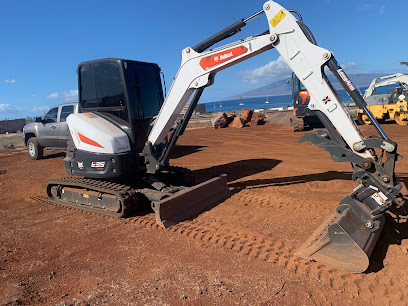
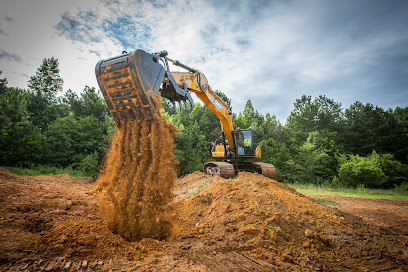
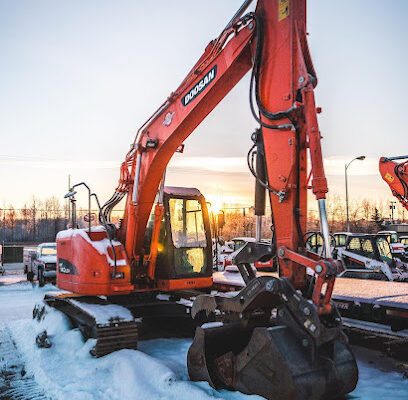
    Heavy excavator machine working on construction site for earthmoving project
    Selecting the correct excavator size improves productivity and reduces project costs.

    1. Understand Your Project Requirements

    Before searching for heavy equipment for sale or rental, define your project clearly:

    • What type of work will be done? (Excavation, grading, lifting, demolition)

    • What is the project scale?

    • What is the expected timeline?

    • What terrain conditions are involved?

    For example:

    • Road construction typically requires graders, compactors, and asphalt pavers.

    • Large-scale excavation projects require hydraulic excavators and dump trucks.

    • High-rise construction requires tower cranes or mobile cranes.

    The more detailed your project plan, the easier it is to match equipment to tasks.


    2. Choose the Right Type of Machine

    Different machines are designed for specific tasks. Here’s a quick breakdown:

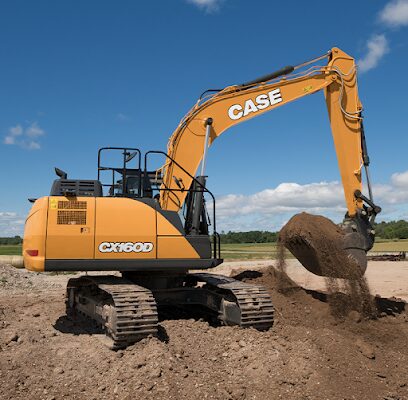
    Excavators

    Best for digging, trenching, demolition, and material handling.

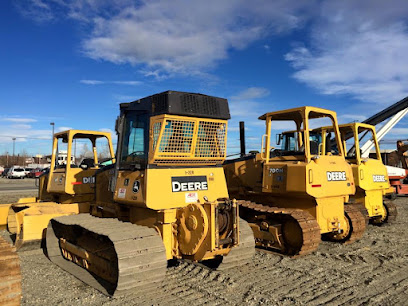
    Bulldozers

    Ideal for pushing soil, land clearing, and grading rough terrain.

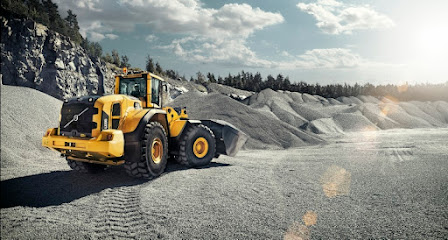
    Wheel Loaders

    Used for moving large volumes of material quickly.

    Cranes

    Essential for lifting heavy materials vertically.

    Selecting the correct machine type prevents unnecessary fuel consumption and mechanical stress.


    3. Consider Equipment Size and Capacity

    Bigger is not always better.

    Oversized equipment:

    • Increases fuel costs

    • Is harder to maneuver

    • May damage compact job sites

    Undersized equipment:

    • Slows productivity

    • Increases wear and tear

    • Raises labor costs

    Always match:

    • Bucket capacity

    • Lifting power

    • Operating weight

    • Engine horsepower

    to your project workload.


    4. Evaluate Site Conditions

    Terrain plays a major role in equipment selection.

    Ask yourself:

    • Is the ground muddy or rocky?

    • Is the site narrow or wide open?

    • Are there height restrictions?

    For example:

    • Tracked machines perform better on uneven terrain.

    • Wheeled machines are ideal for paved or firm surfaces.

    • Compact equipment works best in tight urban spaces.

    Choosing equipment based on terrain reduces maintenance costs and improves safety.


    5. Decide Between Buying and Renting

    This is one of the biggest financial decisions in construction projects.

    When to Buy:

    • Long-term projects

    • Frequent equipment use

    • Strong capital availability

    When to Rent:

    • Short-term jobs

    • Specialized machinery needs

    • Budget limitations

    Construction equipment rental often reduces upfront investment and maintenance responsibility, making it ideal for small contractors.


    6. Analyze Total Cost of Ownership (TCO)

    Do not focus only on purchase price.

    Consider:

    • Fuel efficiency

    • Maintenance costs

    • Insurance

    • Operator training

    • Depreciation value

    • Resale value

    High-quality brands may cost more initially but offer lower long-term operating expenses.


    7. Check Safety Features and Compliance

    Safety is non-negotiable.

    Modern heavy machinery should include:

    • ROPS/FOPS protection

    • Backup cameras

    • Telematics monitoring systems

    • Emergency shut-off systems

    Also ensure the equipment complies with local environmental and safety regulations.


    8. Inspect Equipment Condition (Especially Used Machines)

    If buying used heavy equipment:

    • Check maintenance records

    • Inspect hydraulic systems

    • Test engine performance

    • Look for structural cracks

    • Verify operating hours

    A professional inspection can prevent expensive repairs later.


    9. Consider Technology and Future Scalability

    Smart construction technology is becoming standard.

    Look for:

    • GPS tracking systems

    • Fuel monitoring

    • Automated controls

    • Emission-reduction systems

    Investing in modern technology can improve efficiency and increase your competitive advantage.


    10. Work with Reliable Dealers or Rental Providers

    Choose suppliers that offer:

    • Warranty options

    • Maintenance support

    • Spare parts availability

    • Transparent pricing

    • Good customer reviews

    A trusted dealer can provide long-term value beyond the initial transaction.


    Choosing the right heavy equipment for your project requires careful planning, financial analysis, and understanding of operational needs. By evaluating project size, terrain conditions, cost factors, and safety requirements, you can make a smart decision that improves productivity and protects your investment.

    Whether you decide to buy or rent, selecting the correct machinery ensures smoother operations, reduced downtime, and higher project profitability.

  • Best Excavators for Large-Scale Construction Projects (2026 Guide)
    Best Excavators for Large-Scale Construction Projects (2026 Guide)

    Large-scale construction projects demand power, precision, and reliability. Whether you’re building highways, commercial complexes, dams, or mining infrastructure, choosing the right excavator can significantly impact productivity, fuel efficiency, and operating costs.

    In this professional guide, we’ll break down what makes an excavator suitable for large projects, key features to look for, and review some of the best heavy-duty models available today.

    Large hydraulic excavator working on a large-scale construction project in 2026 heavy equipment machinery
    Modern hydraulic excavators designed for high-performance excavation in mega infrastructure and industrial construction projects.

    What Defines a Large-Scale Excavator?

    For major construction work, you typically need:

    • Operating weight: 30 to 90+ tons

    • High horsepower engines

    • Reinforced undercarriage systems

    • Advanced hydraulic systems

    • Fuel efficiency optimization

    • Smart telematics and operator assist technology

    These machines are built for continuous, high-demand operations in tough environments.


    1️⃣ Caterpillar 374

    Why It’s Ideal for Large Projects

    The CAT 374 is one of the most powerful and fuel-efficient excavators in its class. It’s designed for heavy production work such as quarry operations, large infrastructure builds, and mining.

    Key Features:

    • Operating weight: Approx. 72–74 tons

    • High breakout force

    • Advanced hydraulic efficiency

    • Built-in payload monitoring technology

    • Reduced fuel consumption compared to previous models

    Best For: Mining, large-scale earthmoving, heavy infrastructure.


    2️⃣ Komatsu PC800-8

    Built for Extreme Performance

    The PC800-8 is engineered for durability in harsh conditions. It delivers strong digging force and stability for demanding projects.

    Key Features:

    • Operating weight: Around 80 tons

    • Powerful diesel engine

    • Reinforced boom and arm

    • Designed for quarry and mining operations

    • Reliable hydraulic performance

    Best For: Mining, deep excavation, heavy-duty lifting.


    3️⃣ Volvo Construction Equipment EC750E

    Fuel Efficiency Meets Power

    Volvo is known for combining performance with efficiency. The EC750E offers high lifting capacity while maintaining controlled fuel consumption.

    Key Features:

    • Operating weight: Approx. 75 tons

    • Advanced electro-hydraulic system

    • Operator comfort-focused cabin design

    • Smart fuel optimization system

    Best For: Infrastructure projects, heavy lifting, long-hour operations.


    4️⃣ Hitachi Construction Machinery ZX890LCH-6

    High Durability for Tough Jobs

    This model is designed for high-production environments and continuous use in extreme conditions.

    Key Features:

    • Operating weight: Around 90 tons

    • Strong structural components

    • Efficient cooling systems

    • Advanced monitoring technology

    Best For: Heavy mining and high-volume excavation.


    Key Factors When Choosing an Excavator for Large Projects

    Before investing in heavy equipment, consider:

    1. Project Type

    Mining requires stronger structural reinforcement compared to urban construction projects.

    2. Fuel Efficiency

    Fuel costs significantly affect operational budgets in long-term projects.

    3. Maintenance & Parts Availability

    Choose brands with strong dealer networks and readily available spare parts.

    4. Operator Comfort

    Modern cabins reduce fatigue, increasing productivity and safety.

    5. Technology Integration

    Features like telematics, GPS tracking, and real-time diagnostics improve fleet management.


    New vs Used Large Excavators

    For budget-conscious contractors:

    • New excavators offer warranty, latest technology, and better fuel efficiency.

    • Used excavators reduce upfront costs but require careful inspection and maintenance planning.

    A professional inspection and service history review are essential before purchasing used machinery.


    Final Thoughts

    Selecting the best excavator for large-scale construction projects depends on your operational needs, budget, and project scope. Models like the Caterpillar 374, Komatsu PC800-8, Volvo EC750E, and Hitachi ZX890LCH-6 represent industry-leading options for heavy-duty performance.

    Investing in the right excavator not only improves productivity but also reduces downtime, operating costs, and long-term maintenance expenses.

  • Top Heavy Equipment Trends in 2026: What Contractors Should Expect

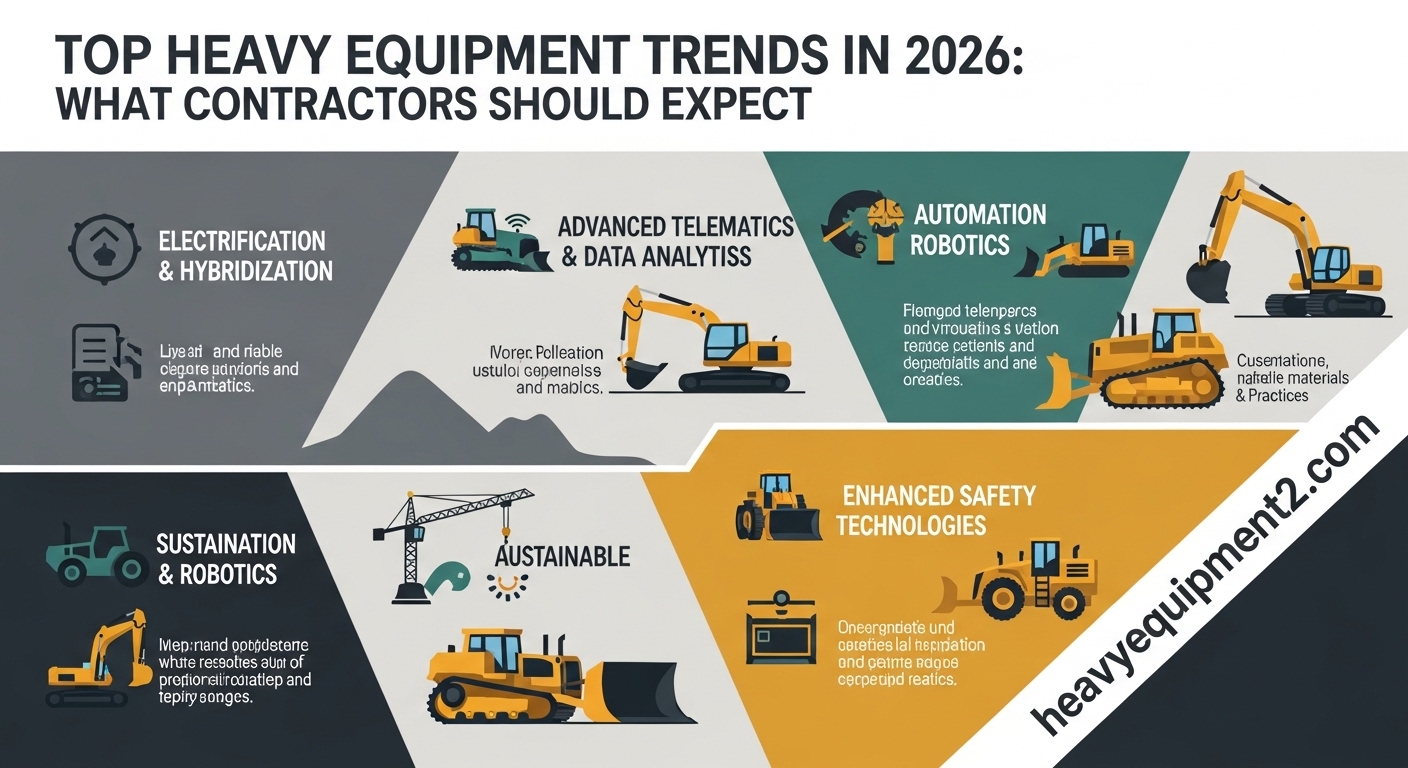
    Top Heavy Equipment Trends in 2026: What Contractors Should Expect

    The construction and heavy machinery industry is evolving faster than ever. Rising fuel costs, stricter environmental regulations, labor shortages, and rapid technological innovation are reshaping how contractors operate.

    Autonomous excavator using AI technology at smart construction site in 2026
    Autonomous excavators are transforming construction efficiency with AI-driven precision and reduced labor costs.

    In 2026, heavy equipment is no longer just about horsepower and steel — it’s about efficiency, sustainability, automation, and data-driven decision-making.

    If you are a contractor, fleet manager, or construction business owner, understanding these trends will help you stay competitive, reduce operational costs, and maximize project profitability.


    1️⃣ Electrification of Heavy Equipment

    One of the biggest shifts in 2026 is the rapid adoption of electric and hybrid construction machinery.

    Manufacturers like Caterpillar, Komatsu, and Volvo Construction Equipment are investing heavily in battery-powered excavators, loaders, and compact equipment.

    Why It Matters:

    • Lower fuel costs

    • Reduced carbon emissions

    • Quieter job sites (ideal for urban projects)

    • Compliance with stricter environmental regulations

    Although electric heavy machinery still carries a higher upfront cost, long-term savings on fuel and maintenance are making it increasingly attractive for contractors.

    Expectation for 2026:
    More mid-sized electric machines will enter the market, making electrification viable beyond compact equipment.


    2️⃣ Automation and Semi-Autonomous Machinery

    Automation is no longer futuristic — it’s practical.

    Semi-autonomous bulldozers, excavators with grade control systems, and GPS-guided machinery are becoming standard on large construction projects.

    Key Benefits:

    • Increased precision

    • Reduced operator fatigue

    • Lower material waste

    • Faster project completion

    Automation helps solve one of the industry’s biggest challenges: skilled labor shortages. Machines that assist operators reduce the need for highly specialized expertise while maintaining high productivity.

    Expectation for 2026:
    More contractors will adopt assistive automation rather than fully autonomous fleets, due to cost-effectiveness and ease of integration.


    3️⃣ Telematics and Fleet Management Technology

    Data is now one of the most valuable assets in construction.

    Telematics systems allow contractors to:

    • Track equipment location

    • Monitor fuel usage

    • Detect maintenance needs

    • Improve asset utilization

    Leading manufacturers integrate proprietary telematics platforms directly into their equipment. This allows real-time performance monitoring and predictive maintenance scheduling.

    Why Contractors Should Care:

    Unplanned downtime is expensive. Predictive maintenance reduces unexpected breakdowns and improves ROI on equipment investments.

    Expectation for 2026:
    Fleet management dashboards will become more user-friendly and AI-powered, offering predictive insights instead of just raw data.


    4️⃣ Sustainable and Eco-Friendly Machinery

    Governments worldwide are tightening environmental regulations. Sustainability is no longer optional.

    Trends include:

    • Low-emission diesel engines

    • Hybrid power systems

    • Biodegradable hydraulic fluids

    • Recyclable machine components

    Green construction certifications are becoming more common in large infrastructure and commercial projects. Contractors who invest in eco-friendly equipment gain a competitive advantage when bidding.

    Expectation for 2026:
    Environmental performance will influence purchasing decisions almost as much as price and power.


    5️⃣ Advanced Safety Technologies

    Safety continues to be a top priority in heavy equipment operations.

    Modern machinery now includes:

    • 360-degree cameras

    • Collision avoidance systems

    • Operator fatigue monitoring

    • Blind-spot detection

    These features reduce accidents, protect workers, and lower insurance costs.

    Why This Trend Is Growing:

    Construction site incidents are costly — financially and legally. Smart safety systems help contractors minimize risk while maintaining productivity.

    Expectation for 2026:
    Safety tech will move from being a premium add-on to a standard feature in most mid-to-large machines.


    6️⃣ Rise of Equipment Rental Over Ownership

    Another major trend is the increasing preference for renting instead of buying heavy machinery.

    Reasons:

    • Lower upfront capital investment

    • Flexibility for short-term projects

    • Access to newer technology

    • Reduced maintenance responsibility

    With rapid innovation cycles, renting allows contractors to use the latest equipment without long-term depreciation risks.

    Expectation for 2026:
    More hybrid models will emerge — partial ownership combined with short-term rentals for specialized machinery.


    7️⃣ Smart Job Sites and Connected Construction

    The concept of the “smart construction site” is gaining momentum.

    Integration between:

    • Drones for site mapping

    • GPS-guided equipment

    • Project management software

    • Real-time progress tracking

    This digital ecosystem improves coordination between operators, project managers, and stakeholders.

    Benefits:

    • Better project scheduling

    • Reduced delays

    • Improved cost estimation accuracy

    • Enhanced communication

    Expectation for 2026:
    Cloud-based project integration will become standard practice for medium and large contractors.


    What Contractors Should Do in 2026

    To stay competitive, contractors should:

    ✔ Evaluate electric or hybrid equipment options
    ✔ Invest in telematics and predictive maintenance tools
    ✔ Upgrade to machinery with advanced safety features
    ✔ Consider rental strategies for specialized equipment
    ✔ Train operators on smart technologies

    Adapting early can reduce costs, increase efficiency, and improve bid competitiveness.


    Final Thoughts

    The heavy equipment industry in 2026 is defined by technology, sustainability, and data-driven efficiency.

    Contractors who embrace electrification, automation, and smart fleet management will gain a measurable advantage in productivity and cost control. Meanwhile, those who delay adoption risk higher operational costs and reduced competitiveness.

    Heavy machinery is no longer just about power — it’s about intelligence, integration, and innovation.